Has Part of Your Roof Become Loose? Why Prompt Inspection Matters
A loose section of roofing can be easy to underestimate, particularly when there is no obvious leak inside the property. A slightly raised tile, displaced slate, loose ridge tile or section of flashing that no longer appears secure may seem like a relatively minor defect. However, roofing materials are designed to work together as a complete weather-resistant system, and movement in one area can leave surrounding sections more vulnerable.
For homeowners in Mexborough, South Yorkshire, arranging a professional inspection when part of the roof appears loose can help establish why movement has occurred, how extensive the problem is and what repair is needed. At ATY Roofing Mexborough, we assess the wider condition of the affected area rather than simply repositioning whatever component is visibly out of place.
What Parts of a Roof Can Become Loose?
Several components of a roofing system can move or become less secure over time.
Common examples include:
- Slipped or displaced tiles
- Loose slates
- Ridge or hip tiles showing movement
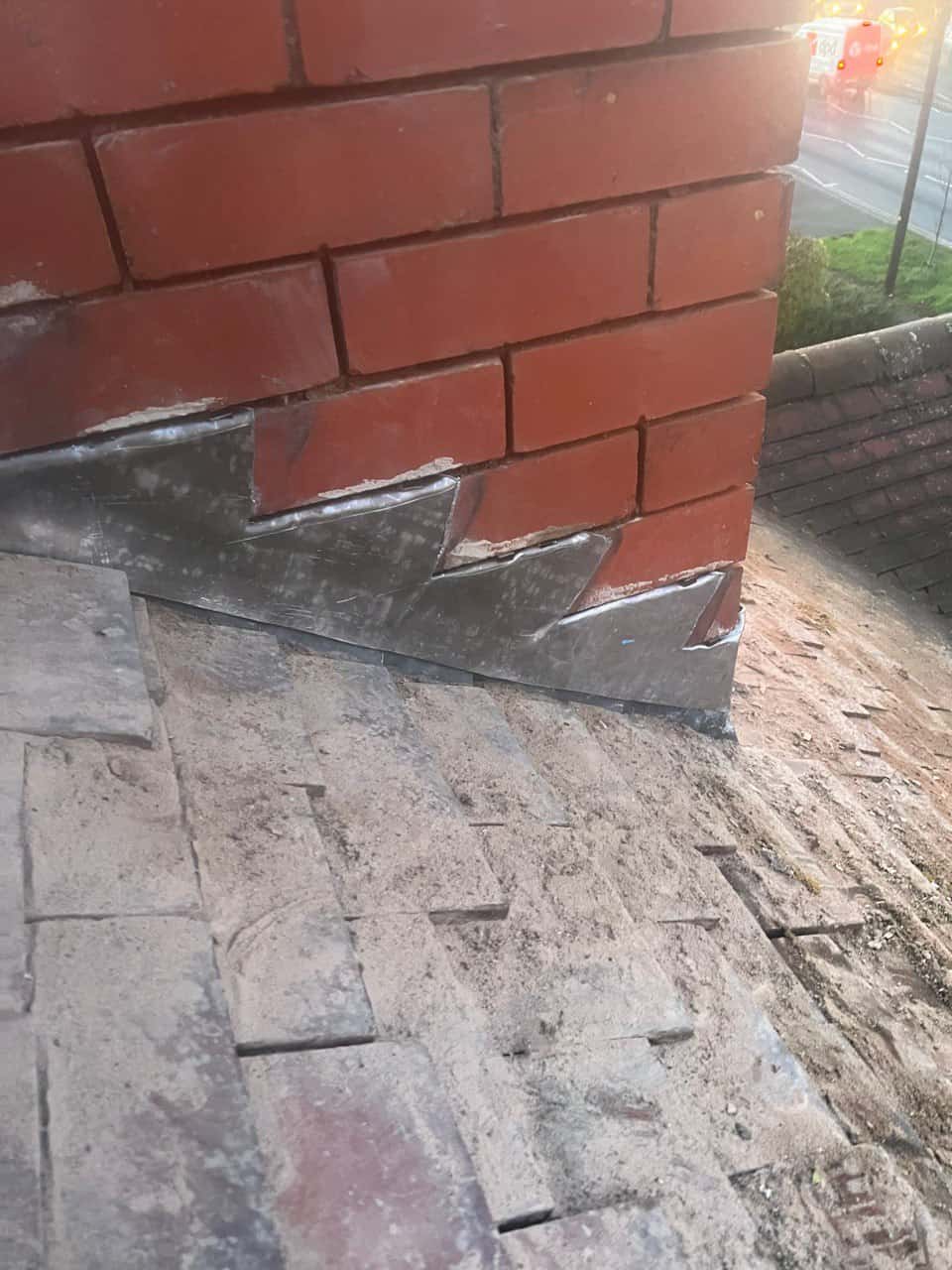
- Lead flashing lifting away from adjoining surfaces
- Loose verge details
- Damaged sections around roof junctions
- Roofing materials disturbed by strong winds
Sometimes the problem is immediately noticeable from ground level. In other cases, homeowners only become aware of it after finding a roofing component on the ground or noticing that part of the roofline looks different.
Why Do Roofing Materials Become Loose?
There is rarely one universal cause. The reason depends on the roofing material, its fixings, the age and condition of the roof, and the location of the affected section.
Weather exposure
Roofing materials experience repeated exposure to wind, rain and changing conditions. Vulnerable or already weakened components may eventually move.
Deteriorated fixings
The visible tile or slate may still be serviceable while the fixing securing it has deteriorated.
Ageing surrounding materials
Movement can sometimes indicate that adjoining roofing components are also becoming less dependable.
Previous damage
A component weakened previously may remain in position for some time before eventually becoming visibly loose.
Understanding the cause is important because simply putting a displaced component back into position may not resolve the underlying weakness.
A Loose Tile Can Affect More Than One Small Area
Tiles form an overlapping covering designed to direct rainwater safely down the roof.
If one tile slips significantly out of position, the arrangement of the covering is disrupted. This can expose areas that would normally remain protected.
A professional inspection can determine whether the issue is limited to one tile or whether surrounding tiles, fixings or supporting components also require attention.
Where the problem is genuinely isolated, a targeted roof repair may be sufficient.
Loose Slates Require Careful Attention
Slate roofs rely on correctly positioned and securely fixed individual slates.
A slate beginning to slip may indicate a problem with its fixing rather than the slate itself. If several slates are moving, the wider roof should be examined to determine whether there is a pattern to the deterioration.
Replacing or securing affected slates correctly helps restore the continuity of the roof covering while preserving surrounding serviceable materials wherever appropriate.
Why Loose Ridge and Hip Tiles Matter
Ridge tiles sit along the highest horizontal line of many pitched roofs, while hip tiles protect angled junctions between roof slopes.
Their exposed position means any visible movement deserves attention.
A loose ridge or hip tile should not simply be viewed as a cosmetic problem. The affected area forms part of an important roof junction, and deterioration may involve the way the tile is secured as well as the surrounding materials.
An inspection allows the complete ridge or hip section to be assessed rather than concentrating solely on the most visibly loose tile.
Lead Flashing Can Also Become Displaced
Lead flashing is commonly installed around chimneys, walls and other roof junctions where maintaining weather resistance requires careful detailing.
If leadwork begins lifting, separating or moving out of its intended position, water may be able to reach areas beneath or behind the surrounding roofing materials.
Because flashing defects can be relatively small, they may not immediately cause obvious internal symptoms.
Professional assessment can establish whether the leadwork can be repaired locally or whether a more extensive section requires attention.
No Internal Leak Does Not Mean Everything Is Fine
One of the most important reasons to investigate loose roofing promptly is that internal water staining is often a late sign of a problem.
A roof can develop an external defect without water immediately reaching the ceiling below.
The roofing system may continue providing some protection, or small amounts of moisture may remain within areas that are not visible from inside the home.
Waiting for a damp patch before arranging an inspection can therefore allow a relatively straightforward external defect to deteriorate further.
Wind Can Make an Existing Loose Section Worse
Once a roofing component is no longer properly secured, further exposure can increase movement.
Wind can potentially get underneath raised or displaced materials more easily than it can beneath a correctly installed roof covering. An already vulnerable section may therefore become increasingly disturbed during subsequent poor weather.
This is particularly why a noticeable change after windy conditions is worth investigating rather than waiting to see whether the component remains in place.
Water Can Exploit Small Openings
Rainwater does not require a large visible hole to enter a roofing system.
Small gaps created by displaced tiles, lifted flashing or deteriorated junctions can provide a route beneath the external covering.
Once water enters, it may travel along underlay, battens or other components before becoming visible internally.
The position of an eventual damp patch may consequently be some distance from the original defect.
Prompt inspection aims to deal with the external weakness before continuing exposure creates a more extensive moisture problem.
One Loose Component Can Sometimes Reveal Wider Deterioration
A single displaced tile does not automatically mean the complete roof is in poor condition.
However, it can sometimes be the first visible sign that a broader section requires attention.
During an inspection, a roofer may consider:
- Whether nearby tiles or slates remain secure
- The condition of visible fixings
- Whether similar movement is occurring elsewhere
- The condition of ridge and hip details
- Nearby flashing and junctions
- Evidence of previous repairs
- Signs of damage beneath the affected area where accessible
This broader assessment helps distinguish an isolated defect from a developing pattern.
Why Repeatedly Loose Tiles Deserve Further Investigation
If the same area of a roof repeatedly develops problems, simply treating each loose tile independently may not be enough.
Repeated movement could suggest that something about the surrounding construction requires closer attention.
The aim should be to understand why the defect keeps occurring.
Where appropriate, resolving the underlying cause can provide a more dependable repair than continually addressing individual symptoms as they appear.
What Should You Do If You Notice Something Loose?
Avoid attempting to climb onto the roof to investigate the problem yourself. Roof surfaces can be difficult to access safely, and moving around an already damaged section can disturb additional materials.
Instead, note what you can observe safely from ground level.
Useful information might include:
- When you first noticed the problem
- Whether it appeared after windy weather
- Whether any material has fallen
- Whether the affected section has moved further
- Whether you have noticed any internal dampness
A professional roofer can then inspect the relevant area more closely.
Does a Loose Roof Section Mean You Need a New Roof?
Not necessarily.
Many loose roofing components can be addressed through localised repair when the surrounding roof remains in satisfactory condition.
Complete replacement is more likely to become a consideration where inspection reveals widespread deterioration rather than one isolated defect.
The distinction matters. A professional assessment should establish what the roof actually needs rather than assuming that every visible problem requires extensive work.
Early Repairs Can Help Preserve the Existing Roof
One of the main advantages of responding promptly is the opportunity to deal with defects while they remain limited.
If a displaced tile or loose flashing detail can be corrected before surrounding areas deteriorate, more of the existing roof can potentially remain undisturbed.
Regular attention to developing defects is therefore an important part of maintaining a roof over the longer term.
It is much easier to make informed decisions when roofing problems are assessed early rather than after several different components have become affected.
Why Professional Diagnosis Adds Value
The visible loose component is not always the complete problem.
Professional roofing work involves determining:
- What has moved or deteriorated.
- Why the movement occurred.
- Whether surrounding materials remain secure.
- Whether water resistance has been compromised.
- What repair will restore the affected section correctly.
This diagnostic approach is particularly valuable because it reduces the likelihood of simply treating the appearance of the problem.
Professional Roof Repairs in Mexborough
At ATY Roofing Mexborough, we provide professional roofing services throughout Mexborough, South Yorkshire, including roof inspections, repairs and new roofing where appropriate.
If you have noticed loose tiles, slipped slates, movement around ridge tiles, displaced leadwork or another change to your roof, we can assess the affected area and determine what work is required.
Our focus is on identifying the cause of the problem and providing an appropriate solution, whether that means a targeted repair or, where deterioration is more extensive, discussing the condition of the wider roofing system.
Conclusion
A loose section of roofing may begin as a relatively localised problem, but it should not be ignored simply because the property remains dry inside. Displaced tiles, loose slates, unstable ridge components and lifted flashing can compromise the continuity of the roof covering and may become more vulnerable during further poor weather.
Prompt professional inspection helps determine whether the defect is isolated or a sign of wider deterioration. Where the surrounding roof remains sound, early attention may allow the affected section to be repaired before the problem becomes more extensive.
For homeowners in Mexborough, South Yorkshire, ATY Roofing Mexborough provides professional roof inspections and repairs tailored to the actual condition of the property. If part of your roof has become loose or appears to have moved, contact our team to arrange an assessment and determine the most appropriate repair.
Call us on: 01709 803 086
Click here to find out more about ATY Roofing Mexborough
Click here to complete our contact form and see how we can help with your roofing needs.