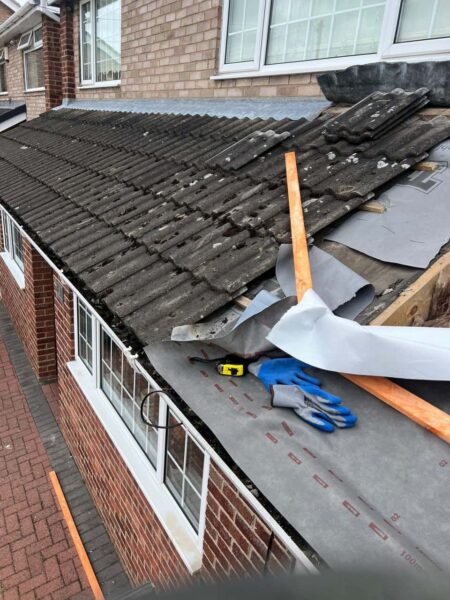
Flat Roof Leaks: Common Causes and Effective Repair Solutions
Flat roofs are a practical choice for many homes, extensions, garages and commercial buildings. However, because they have a relatively shallow slope, they rely on an effective waterproof covering and good drainage to prevent water from collecting on the surface. When a flat roof develops a defect, rainwater can seep through the covering and cause damage to the building below.
For property owners in Mexborough, South Yorkshire, identifying the cause of a flat roof leak early can help prevent a minor defect from becoming a more extensive roofing problem. ATY Roofing Mexborough provides roofing repair services to help locate leaks, assess damage and restore the roof’s weather protection.
Common Causes of Flat Roof Leaks
Flat roof leaks can develop for several reasons. Finding the actual source of the water is essential because the visible damp patch inside a property may not be directly beneath the damaged section of roofing.
Damaged or Deteriorating Roof Covering
Flat roofs can use materials such as felt, EPDM rubber or fibreglass. Over time, exposure to sunlight, temperature changes and persistent wet weather can affect the condition of the covering.
Felt may blister, crack or split, while rubber membranes can become damaged around vulnerable details. Fibreglass coverings may also develop cracks or defects that allow moisture to penetrate.
The appropriate repair depends on the roofing material and the extent of the damage. A small, isolated defect may be repairable, whereas widespread deterioration may mean that a larger section of the covering needs attention.
Blocked or Inadequate Drainage
Although described as flat, these roofs should have a slight fall to direct water towards outlets or gutters. If leaves, moss and other debris block the drainage system, water can collect on the surface.
Persistent standing water places additional stress on the roof covering and may expose existing weaknesses. Check accessible gutters and outlets for visible blockages, and arrange professional attention if water regularly remains on the roof long after rainfall.
If pooling continues despite clear outlets, the roof’s drainage arrangement or surface levels may need to be assessed.
Failed Seams and Joints
The joints between roofing sheets or membrane sections are common areas for leaks to develop. Seams can weaken, lift or separate as materials expand and contract with changing temperatures.
Junctions around roof edges, parapet walls and adjoining structures can also become vulnerable if the seals or flashing deteriorate.
Repairs should restore the integrity of the affected joint and account for the type of roofing material. Applying an unsuitable sealant over the surface may provide only temporary relief if the underlying defect remains.
Damaged Flashing Around Roof Features
Flat roofs often meet walls, rooflights, vents or other building features. These junctions need carefully installed flashing or compatible waterproofing details to prevent water from entering.
If flashing becomes loose, cracked or separated from the surrounding surface, rainwater can find its way underneath the roof covering. Signs may include damp patches near an external wall or water marks around a rooflight.
A professional inspection can help determine whether the flashing needs resealing, repairing or replacing.
Warning Signs That Your Flat Roof May Be Leaking
Some roof leaks are obvious during heavy rainfall, while others develop gradually. Recognising the early signs can help you arrange repairs before moisture affects a larger area.
Look out for:
- Brown or yellow stains on ceilings and upper walls.
- Peeling paint or bubbling plaster near the roof.
- Damp insulation or visible moisture in an accessible roof space.
- Water collecting repeatedly on the roof surface.
- Cracks, blisters or lifted edges in the roof covering.
- Persistent damp smells following wet weather.
These symptoms can have different causes, so it is important not to assume that the nearest visible defect is responsible. Water can travel beneath a membrane or along structural components before becoming visible indoors.
If water is entering the property, arrange an inspection promptly. Avoid accessing the roof yourself, as wet surfaces can be slippery and the structure may not be safe to walk on.
Effective Flat Roof Repair Solutions
The best repair depends on the roofing material, the location of the leak and the overall condition of the roof.
For a localised split or puncture, a compatible repair may restore the waterproof covering. Damaged seams can sometimes be repaired by securing or renewing the affected joint, while defective flashing may need to be refitted or replaced.
Where drainage is the main issue, clearing blocked outlets and correcting related drainage defects can help prevent water from accumulating. However, persistent pooling may require further investigation into the roof’s falls and drainage design.
If the covering has widespread cracks, repeated leaks or extensive deterioration, patch repairs may no longer provide a reliable solution. In these circumstances, replacing the affected section or renewing the roof covering may be more appropriate.
ATY Roofing Mexborough can assess the condition of a leaking flat roof and recommend a suitable repair based on the source and extent of the problem.
How to Reduce the Risk of Future Flat Roof Leaks
Regular maintenance can help identify defects before water enters the building. Keep gutters and accessible drainage outlets clear, check for signs of damage after severe weather and arrange professional inspections if the roof is ageing or has experienced previous leaks.
Pay particular attention to seams, roof edges and junctions around walls or rooflights, as these areas can be vulnerable to water penetration. Any signs of recurring pooling should also be investigated rather than left unresolved.
Avoid covering damaged areas with improvised materials or applying products that are not compatible with the existing roof covering. An unsuitable repair can make it harder to identify the original fault and may cause further deterioration.
Conclusion
Flat roof leaks commonly result from damaged coverings, failed seams, defective flashing or drainage problems. Identifying the source of the leak is essential to choosing a repair that restores weather protection and helps prevent further damage to the property.
If you have noticed damp patches, standing water or visible deterioration on your flat roof in Mexborough, South Yorkshire, contact ATY Roofing Mexborough to discuss the problem and arrange a professional roofing assessment.
Flat Roof Leaks: Common Causes and Effective Repair Solutions
Flat roofs are a practical choice for many homes, extensions, garages and commercial buildings. However, because they have a relatively shallow slope, they rely on an effective waterproof covering and good drainage to prevent water from collecting on the surface. When a flat roof develops a defect, rainwater can seep through the covering and cause damage to the building below.
For property owners in Mexborough, South Yorkshire, identifying the cause of a flat roof leak early can help prevent a minor defect from becoming a more extensive roofing problem. ATY Roofing Mexborough provides roofing repair services to help locate leaks, assess damage and restore the roof’s weather protection.
Common Causes of Flat Roof Leaks
Flat roof leaks can develop for several reasons. Finding the actual source of the water is essential because the visible damp patch inside a property may not be directly beneath the damaged section of roofing.
Damaged or Deteriorating Roof Covering
Flat roofs can use materials such as felt, EPDM rubber or fibreglass. Over time, exposure to sunlight, temperature changes and persistent wet weather can affect the condition of the covering.
Felt may blister, crack or split, while rubber membranes can become damaged around vulnerable details. Fibreglass coverings may also develop cracks or defects that allow moisture to penetrate.
The appropriate repair depends on the roofing material and the extent of the damage. A small, isolated defect may be repairable, whereas widespread deterioration may mean that a larger section of the covering needs attention.
Blocked or Inadequate Drainage
Although described as flat, these roofs should have a slight fall to direct water towards outlets or gutters. If leaves, moss and other debris block the drainage system, water can collect on the surface.
Persistent standing water places additional stress on the roof covering and may expose existing weaknesses. Check accessible gutters and outlets for visible blockages, and arrange professional attention if water regularly remains on the roof long after rainfall.
If pooling continues despite clear outlets, the roof’s drainage arrangement or surface levels may need to be assessed.
Failed Seams and Joints
The joints between roofing sheets or membrane sections are common areas for leaks to develop. Seams can weaken, lift or separate as materials expand and contract with changing temperatures.
Junctions around roof edges, parapet walls and adjoining structures can also become vulnerable if the seals or flashing deteriorate.
Repairs should restore the integrity of the affected joint and account for the type of roofing material. Applying an unsuitable sealant over the surface may provide only temporary relief if the underlying defect remains.
Damaged Flashing Around Roof Features
Flat roofs often meet walls, rooflights, vents or other building features. These junctions need carefully installed flashing or compatible waterproofing details to prevent water from entering.
If flashing becomes loose, cracked or separated from the surrounding surface, rainwater can find its way underneath the roof covering. Signs may include damp patches near an external wall or water marks around a rooflight.
A professional inspection can help determine whether the flashing needs resealing, repairing or replacing.
Warning Signs That Your Flat Roof May Be Leaking
Some roof leaks are obvious during heavy rainfall, while others develop gradually. Recognising the early signs can help you arrange repairs before moisture affects a larger area.
Look out for:
- Brown or yellow stains on ceilings and upper walls.
- Peeling paint or bubbling plaster near the roof.
- Damp insulation or visible moisture in an accessible roof space.
- Water collecting repeatedly on the roof surface.
- Cracks, blisters or lifted edges in the roof covering.
- Persistent damp smells following wet weather.
These symptoms can have different causes, so it is important not to assume that the nearest visible defect is responsible. Water can travel beneath a membrane or along structural components before becoming visible indoors.
If water is entering the property, arrange an inspection promptly. Avoid accessing the roof yourself, as wet surfaces can be slippery and the structure may not be safe to walk on.
Effective Flat Roof Repair Solutions
The best repair depends on the roofing material, the location of the leak and the overall condition of the roof.
For a localised split or puncture, a compatible repair may restore the waterproof covering. Damaged seams can sometimes be repaired by securing or renewing the affected joint, while defective flashing may need to be refitted or replaced.
Where drainage is the main issue, clearing blocked outlets and correcting related drainage defects can help prevent water from accumulating. However, persistent pooling may require further investigation into the roof’s falls and drainage design.
If the covering has widespread cracks, repeated leaks or extensive deterioration, patch repairs may no longer provide a reliable solution. In these circumstances, replacing the affected section or renewing the roof covering may be more appropriate.
ATY Roofing Mexborough can assess the condition of a leaking flat roof and recommend a suitable repair based on the source and extent of the problem.
How to Reduce the Risk of Future Flat Roof Leaks
Regular maintenance can help identify defects before water enters the building. Keep gutters and accessible drainage outlets clear, check for signs of damage after severe weather and arrange professional inspections if the roof is ageing or has experienced previous leaks.
Pay particular attention to seams, roof edges and junctions around walls or rooflights, as these areas can be vulnerable to water penetration. Any signs of recurring pooling should also be investigated rather than left unresolved.
Avoid covering damaged areas with improvised materials or applying products that are not compatible with the existing roof covering. An unsuitable repair can make it harder to identify the original fault and may cause further deterioration.
Conclusion
Flat roof leaks commonly result from damaged coverings, failed seams, defective flashing or drainage problems. Identifying the source of the leak is essential to choosing a repair that restores weather protection and helps prevent further damage to the property.
If you have noticed damp patches, standing water or visible deterioration on your flat roof in Mexborough, South Yorkshire, contact ATY Roofing Mexborough to discuss the problem and arrange a professional roofing assessment.
Call us on: 01709 803 086
Click here to find out more about ATY Roofing Mexborough
Click here to complete our contact form and see how we can help with your roofing needs.